Google DeepMind Opens AI Content Detection Tool to the Public
Google’s free SynthID Detector checks images, video and audio for AI watermarks. Here’s how it works and why wider industry adoption matters.
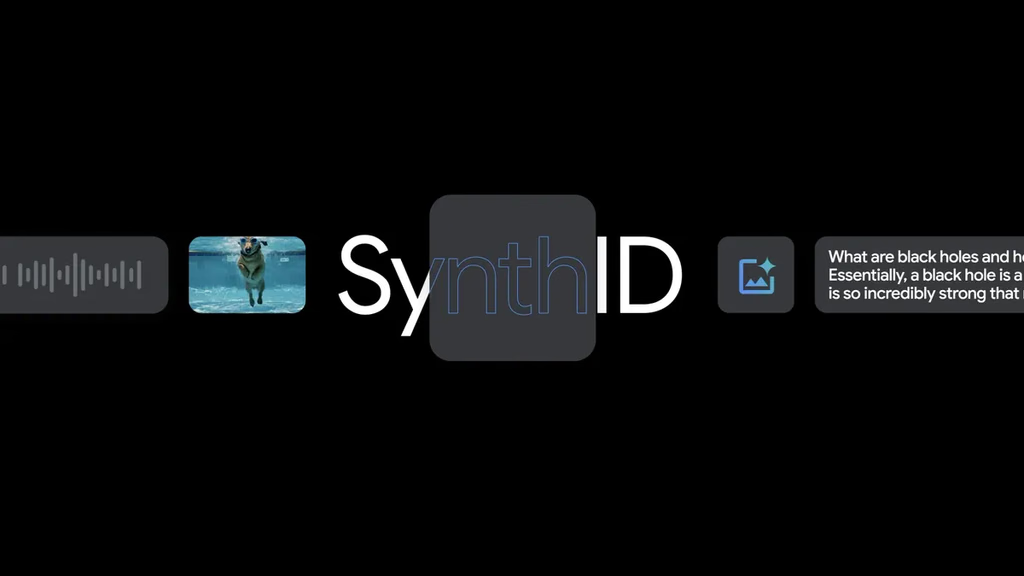
Google DeepMind made its SynthID Detector available to the public for free on October 7. Initially introduced in 2025 for media professionals and researchers, the tool helps identify whether a video, audio clip or image was generated using AI.
Google is also seeking more industry partners to make watermarking a standard practice for AI-generated content.
When a participating AI model generates an image, video or audio clip, SynthID embeds a watermark that people cannot see or hear but that the detector can identify. Detection currently covers supported content from Google, NVIDIA, OpenAI and Kakao, created after the relevant tools adopted the technology. Apple is expected to join them.
According to Google, certain edits or heavy compression can weaken the watermark and prevent detection. The company says the tool should be used as one step in verification, rather than treated as definitive proof. In very rare cases, SynthID can also produce a false positive on content without a watermark.
How to Use SynthID Detector
Open the SynthID Detector website on an internet-connected device. Select a file using the upload button, or drag and drop it into the marked area. The check starts automatically.
If no watermark is detected, that does not prove the file was created without AI. Likewise, a positive result does not conclusively prove that AI was used. Further checks may still be needed.
The tool also has a usage quota. In our test, we reached the image limit after checking four files, and the page said the quota would return after roughly 24 hours. Limits appear to apply separately to each type of media and may vary.
Why Wider Adoption Matters
The difficulty of identifying synthetic media has already become apparent in widely reported cases. In January 2024, New Hampshire residents received an automated call imitating Joe Biden’s voice and urging them not to vote in the state’s presidential primary. NBC News reported at the time that experts considered it highly likely to be a deepfake, while cautioning that without access to the original they could not be completely certain. The FCC later confirmed that the calls used AI to clone his voice.
Another widely discussed case involved images of Pope Francis wearing a white, Balenciaga-style puffer jacket in March 2023. The images spread across social media and were mistaken for real photographs before fact-checkers established that they had been generated using AI.
These cases show how synthetic content can mislead people. If the tools used to create it had embedded a detectable watermark, identifying its origin could have been easier.
That is why wider adoption matters. Initiatives like Google’s can help both the public and specialists check where content comes from, but their reach depends on how many companies use the technology. Apple’s planned adoption could encourage other major companies to follow. Making watermarking an industry standard would give people more opportunities to verify what they encounter online. Efforts to bring that transparency to the public are welcome.